
North Korea’s missile testing pace in 2026 has featured multiple launches across several months, including ballistic and cruise systems in January, March, April, May, and June, often involving new variants or warhead types amid ongoing solid-fuel and hypersonic development programs. Traders assign nearly equal weight to zero, one, or three-plus tests in August because Pyongyang’s schedule remains irregular and responsive to external triggers such as U.S.-South Korea military exercises or internal political timelines rather than following a fixed monthly cadence. With the month just beginning, the close spread between the leading outcomes reflects uncertainty over whether routine activity, restraint tied to diplomacy, or an escalation in regional tensions will materialize before month-end.
Experimental AI-generated summary referencing Polymarket data. This is not trading advice and plays no role in how this market resolves. · UpdatedNumber of North Korea Missile Tests in August 2026?
Number of North Korea Missile Tests in August 2026?
1 47%
3+ 47%
<1 41%
2 27%
<1
41%
1
47%
2
27%
3+
47%
1 47%
3+ 47%
<1 41%
2 27%
<1
41%
1
47%
2
27%
3+
47%
If a single test event spans multiple calendar days, it will count only for the day on which it began.
Only test launches of ballistic missiles, cruise missiles, and anti-ship missiles will qualify.
Test launches of other systems, including surface-to-air missiles (SAMs), multiple launch rocket systems (MLRS)/rocket artillery, torpedoes, or similar systems, will not qualify.
Resolution will be based on publicly available information from reliable sources such as official government statements, reports from international monitoring bodies like the United Nations, or reports from reputable international media.
Market Opened: Jul 31, 2026, 2:15 PM ET
Resolver
0x69c47De9D...If a single test event spans multiple calendar days, it will count only for the day on which it began.
Only test launches of ballistic missiles, cruise missiles, and anti-ship missiles will qualify.
Test launches of other systems, including surface-to-air missiles (SAMs), multiple launch rocket systems (MLRS)/rocket artillery, torpedoes, or similar systems, will not qualify.
Resolution will be based on publicly available information from reliable sources such as official government statements, reports from international monitoring bodies like the United Nations, or reports from reputable international media.
Resolver
0x69c47De9D...North Korea’s missile testing pace in 2026 has featured multiple launches across several months, including ballistic and cruise systems in January, March, April, May, and June, often involving new variants or warhead types amid ongoing solid-fuel and hypersonic development programs. Traders assign nearly equal weight to zero, one, or three-plus tests in August because Pyongyang’s schedule remains irregular and responsive to external triggers such as U.S.-South Korea military exercises or internal political timelines rather than following a fixed monthly cadence. With the month just beginning, the close spread between the leading outcomes reflects uncertainty over whether routine activity, restraint tied to diplomacy, or an escalation in regional tensions will materialize before month-end.
Experimental AI-generated summary referencing Polymarket data. This is not trading advice and plays no role in how this market resolves. · Updated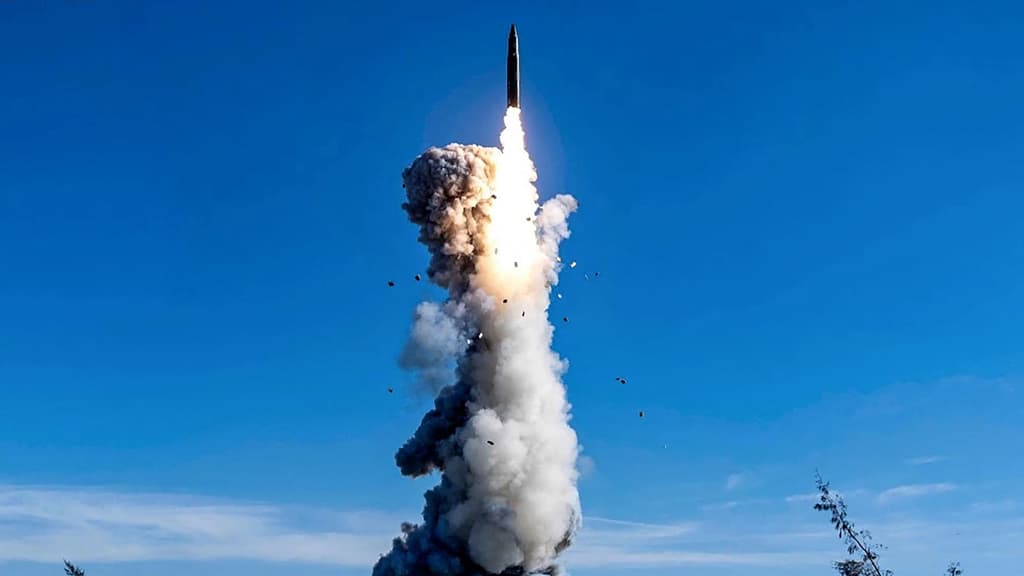

Beware of external links.
Beware of external links.
Frequently Asked Questions