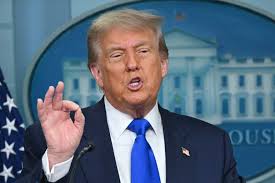
Trump’s second-term trade strategy relies on broad tariff threats under authorities like IEEPA and Section 122 to accelerate bilateral negotiations, producing multiple framework agreements and reciprocal trade deals since early 2025. Completed or advanced pacts already cover the United Kingdom, Japan, the European Union, Indonesia, Argentina, South Korea, Vietnam, and others, often bundling tariff adjustments with purchase commitments, investment pledges, and sector-specific access in agriculture, autos, and critical minerals. Ongoing talks involve Canada and Mexico ahead of USMCA review, plus continued engagement with China and Taiwan. Upcoming catalysts include the June 2026 G7 summit and further bilateral meetings that could finalize additional frameworks before the 2027 cutoff. Trader assessments center on the administration’s emphasis on reducing deficits through enforceable, modifiable bilateral terms rather than multilateral structures.
Experimental AI-generated summary referencing Polymarket data. This is not trading advice and plays no role in how this market resolves. · UpdatedWhich countries will Trump make new trade deals with before 2027?
Which countries will Trump make new trade deals with before 2027?
$360,166 Vol.
India
22%
Vietnam
20%
Israel
18%
Taiwan
17%
South Korea
16%
Indonesia
16%
Mexico
14%
United Kingdom
13%
South Africa
13%
Argentina
12%
Australia
12%
Pakistan
12%
Japan
10%
European Union
9%
Canada
8%
Brazil
7%
Russia
5%
$360,166 Vol.
India
22%
Vietnam
20%
Israel
18%
Taiwan
17%
South Korea
16%
Indonesia
16%
Mexico
14%
United Kingdom
13%
South Africa
13%
Argentina
12%
Australia
12%
Pakistan
12%
Japan
10%
European Union
9%
Canada
8%
Brazil
7%
Russia
5%
This includes both agreements that become law through Senate ratification and Presidential approval, or through the enactment of a Congressional-Executive Agreement signed into law by the President.
The resolution source will be a consensus of credible reporting.
Market Opened: Nov 5, 2025, 5:02 PM ET
Resolver
0x65070BE91...This includes both agreements that become law through Senate ratification and Presidential approval, or through the enactment of a Congressional-Executive Agreement signed into law by the President.
The resolution source will be a consensus of credible reporting.
Resolver
0x65070BE91...Trump’s second-term trade strategy relies on broad tariff threats under authorities like IEEPA and Section 122 to accelerate bilateral negotiations, producing multiple framework agreements and reciprocal trade deals since early 2025. Completed or advanced pacts already cover the United Kingdom, Japan, the European Union, Indonesia, Argentina, South Korea, Vietnam, and others, often bundling tariff adjustments with purchase commitments, investment pledges, and sector-specific access in agriculture, autos, and critical minerals. Ongoing talks involve Canada and Mexico ahead of USMCA review, plus continued engagement with China and Taiwan. Upcoming catalysts include the June 2026 G7 summit and further bilateral meetings that could finalize additional frameworks before the 2027 cutoff. Trader assessments center on the administration’s emphasis on reducing deficits through enforceable, modifiable bilateral terms rather than multilateral structures.
Experimental AI-generated summary referencing Polymarket data. This is not trading advice and plays no role in how this market resolves. · Updated

Beware of external links.
Beware of external links.
Frequently Asked Questions