
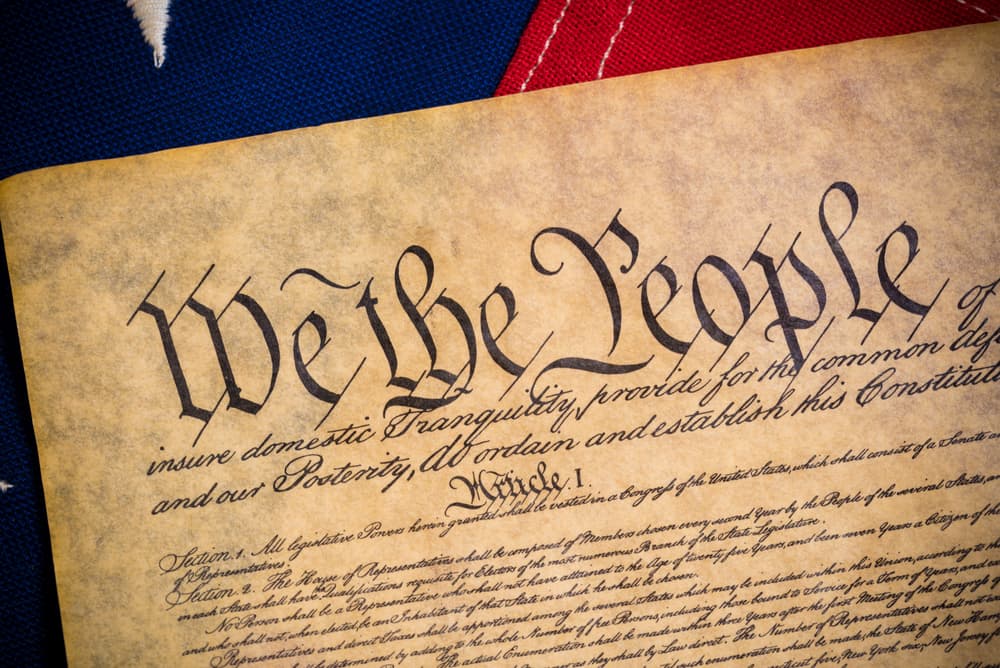
The steep procedural barriers to amending the Constitution explain traders' 97.7% consensus against repeal in 2026. Any change to the 22nd Amendment requires two-thirds approval in both chambers of Congress followed by ratification in 38 states—a threshold unmet even during periods of unified party control and historically achieved only once to repeal a prior amendment. A related House joint resolution introduced in January 2025 to modify term limits for nonconsecutive service advanced no further, and President Trump's public comments have remained inconsistent without sustained legislative follow-through. Midterm elections later in 2026 could alter congressional composition, yet state-level ratification dynamics and entrenched bipartisan attachment to the two-term precedent create additional structural obstacles. Late-session maneuvers or unforeseen political realignments remain theoretically possible but would still confront the same supermajority requirements within the calendar year.
Experimental AI-generated summary referencing Polymarket data. This is not trading advice and plays no role in how this market resolves. · Updated$11,880 Vol.
$11,880 Vol.
$11,880 Vol.
$11,880 Vol.
Any law signed meeting these criteria will count, even if its implementation is immediately halted or delayed by judicial or other actions.
This market's resolution source will be official information from the Trump administration and U.S. Supreme Court decisions.
Market Opened: Feb 2, 2026, 5:18 PM ET
Resolver
0x65070BE91...Any law signed meeting these criteria will count, even if its implementation is immediately halted or delayed by judicial or other actions.
This market's resolution source will be official information from the Trump administration and U.S. Supreme Court decisions.
Resolver
0x65070BE91...The steep procedural barriers to amending the Constitution explain traders' 97.7% consensus against repeal in 2026. Any change to the 22nd Amendment requires two-thirds approval in both chambers of Congress followed by ratification in 38 states—a threshold unmet even during periods of unified party control and historically achieved only once to repeal a prior amendment. A related House joint resolution introduced in January 2025 to modify term limits for nonconsecutive service advanced no further, and President Trump's public comments have remained inconsistent without sustained legislative follow-through. Midterm elections later in 2026 could alter congressional composition, yet state-level ratification dynamics and entrenched bipartisan attachment to the two-term precedent create additional structural obstacles. Late-session maneuvers or unforeseen political realignments remain theoretically possible but would still confront the same supermajority requirements within the calendar year.
Experimental AI-generated summary referencing Polymarket data. This is not trading advice and plays no role in how this market resolves. · Updated

Beware of external links.
Beware of external links.
Frequently Asked Questions