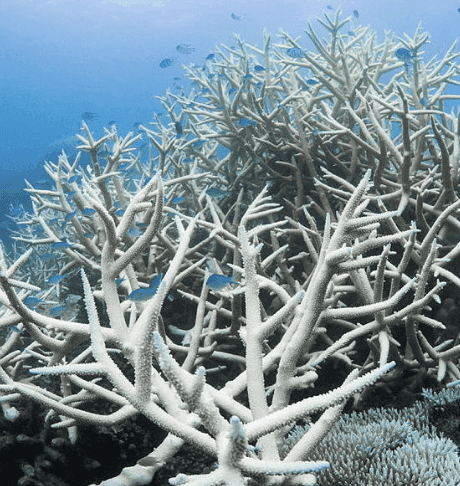
Current NOAA Coral Reef Watch data place Hawaii’s main islands at Bleaching Watch status as of early August 2026, reflecting accumulated Degree Heating Weeks below the Alert Level 1 threshold of four °C-weeks where significant bleaching becomes likely. The fourth global bleaching event concluded in 2025, and seasonal sea-surface temperatures, while still above average, have not produced the sustained marine heat stress needed to push regional gauges higher through year-end. Four-month outlooks show limited escalation risk, consistent with post-El Niño cooling patterns and historical analogs where Hawaii avoided Alert Level 1 in lower-stress years. Traders therefore assign 72% implied probability to “No,” viewing the combination of current Watch conditions and subdued forecasts as the dominant driver keeping odds against crossing the threshold before December 31.
Experimental AI-generated summary referencing Polymarket data. This is not trading advice and plays no role in how this market resolves. · UpdatedWill Hawaii reach Coral Bleaching Alert Level 1 by December 31, 2026?
Will Hawaii reach Coral Bleaching Alert Level 1 by December 31, 2026?
The Bleaching Alert Area for the Main Hawaiian Islands virtual station reaching Bleaching Alert Level 1 (or a higher alert level) on any single day within this timeframe is sufficient for a "Yes" resolution. For the purposes of this market, Bleaching Alert Level 1 corresponds to a Degree Heating Week (DHW) value of 4 or greater °C-weeks at the Main Hawaiian Islands virtual station, as calculated by NOAA Coral Reef Watch from the 90th-percentile daily HotSpot values within that station's boundary.
The primary resolution source for this market will be the "Bleaching Alert Area" reading on NOAA Coral Reef Watch's Main Hawaiian Islands virtual station gauge page (https://coralreefwatch.noaa.gov/product/vs/gauges/hawaii.php). If that page is unavailable or has not been updated, resolution will use NOAA Coral Reef Watch's own data for the Main Hawaiian Islands virtual station in any other format it publishes (for example, its regional virtual station time-series data files, available at https://coralreefwatch.noaa.gov/product/vs/data.php), which apply the same station-level methodology. Readings for individual 5km satellite pixels that are not aggregated to the Main Hawaiian Islands virtual station will not be used.
Only NOAA Coral Reef Watch readings dated within this market's timeframe (from market creation through December 31, 2026) can trigger a "Yes" resolution. If NOAA Coral Reef Watch data covering this timeframe has not been published by January 4, 2027, this market will remain open until January 11, 2027, or until such data is published, whichever comes first. If no NOAA Coral Reef Watch data covering any day within this market's timeframe is ever published, this market will resolve to "No".
Market Opened: Aug 7, 2026, 2:28 PM ET
Resolution Source
https://coralreefwatch.noaa.gov/product/vs/gauges/hawaii.phpResolver
0x65070BE91...The Bleaching Alert Area for the Main Hawaiian Islands virtual station reaching Bleaching Alert Level 1 (or a higher alert level) on any single day within this timeframe is sufficient for a "Yes" resolution. For the purposes of this market, Bleaching Alert Level 1 corresponds to a Degree Heating Week (DHW) value of 4 or greater °C-weeks at the Main Hawaiian Islands virtual station, as calculated by NOAA Coral Reef Watch from the 90th-percentile daily HotSpot values within that station's boundary.
The primary resolution source for this market will be the "Bleaching Alert Area" reading on NOAA Coral Reef Watch's Main Hawaiian Islands virtual station gauge page (https://coralreefwatch.noaa.gov/product/vs/gauges/hawaii.php). If that page is unavailable or has not been updated, resolution will use NOAA Coral Reef Watch's own data for the Main Hawaiian Islands virtual station in any other format it publishes (for example, its regional virtual station time-series data files, available at https://coralreefwatch.noaa.gov/product/vs/data.php), which apply the same station-level methodology. Readings for individual 5km satellite pixels that are not aggregated to the Main Hawaiian Islands virtual station will not be used.
Only NOAA Coral Reef Watch readings dated within this market's timeframe (from market creation through December 31, 2026) can trigger a "Yes" resolution. If NOAA Coral Reef Watch data covering this timeframe has not been published by January 4, 2027, this market will remain open until January 11, 2027, or until such data is published, whichever comes first. If no NOAA Coral Reef Watch data covering any day within this market's timeframe is ever published, this market will resolve to "No".
Resolution Source
https://coralreefwatch.noaa.gov/product/vs/gauges/hawaii.phpResolver
0x65070BE91...Current NOAA Coral Reef Watch data place Hawaii’s main islands at Bleaching Watch status as of early August 2026, reflecting accumulated Degree Heating Weeks below the Alert Level 1 threshold of four °C-weeks where significant bleaching becomes likely. The fourth global bleaching event concluded in 2025, and seasonal sea-surface temperatures, while still above average, have not produced the sustained marine heat stress needed to push regional gauges higher through year-end. Four-month outlooks show limited escalation risk, consistent with post-El Niño cooling patterns and historical analogs where Hawaii avoided Alert Level 1 in lower-stress years. Traders therefore assign 72% implied probability to “No,” viewing the combination of current Watch conditions and subdued forecasts as the dominant driver keeping odds against crossing the threshold before December 31.
Experimental AI-generated summary referencing Polymarket data. This is not trading advice and plays no role in how this market resolves. · Updated
Beware of external links.
Beware of external links.
Frequently Asked Questions