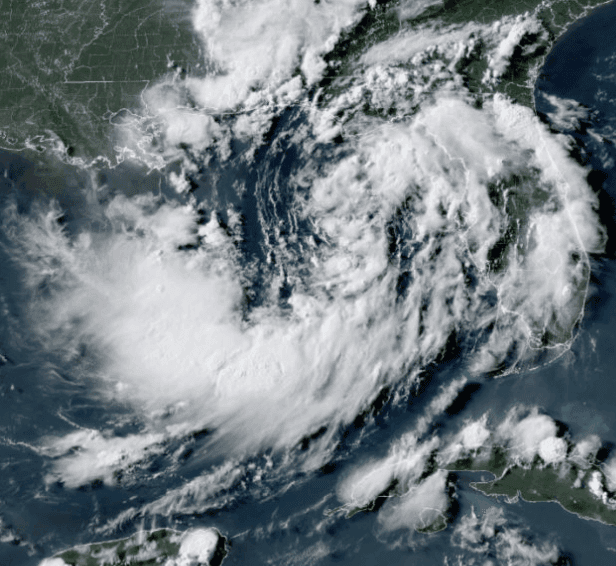
Recent forecasts from NOAA and Colorado State University highlight a strengthening El Niño as the main factor keeping trader odds tightly clustered across ranges for 2026 Atlantic hurricanes, with only two named storms (Arthur and Bertha) formed so far and zero hurricanes through late July. El Niño typically boosts upper-level wind shear and stabilizes the atmosphere over the Atlantic main development region, reducing intensification potential despite warmer sea surface temperatures. Updated July outlooks now project 3–6 or around 4 hurricanes—well below the 1991–2020 average of seven—while historical analogs from prior moderate El Niño years show wide variability. Peak-season conditions in August–September and any shifts in Pacific sea surface temperatures will determine whether activity stays suppressed or rebounds.
Experimental AI-generated summary referencing Polymarket data. This is not trading advice and plays no role in how this market resolves. · UpdatedHow many hurricanes will form during the Atlantic Hurricane Season in 2026?
How many hurricanes will form during the Atlantic Hurricane Season in 2026?
1-3 50%
4-6 43%
7+ 39%
0 10%
0
10%
1-3
50%
4-6
43%
7+
39%
1-3 50%
4-6 43%
7+ 39%
0 10%
0
10%
1-3
50%
4-6
43%
7+
39%
If there is no storm categorized as a hurricane in the Atlantic during the specified timeframe this market will resolve to "0".
A hurricane is a tropical cyclone with maximum sustained winds of 74 mph or greater (Category 1 or higher on the Saffir-Simpson Hurricane Wind Scale), as described at https://www.nhc.noaa.gov/aboutsshws.php.
This market may resolve based on the initial NHC advisory reporting a qualifying hurricane regardless of any later advisory, retraction, best-track revision, or reanalysis that revises that storm's intensity downward. The official count will be determined by the NHC (nhc.noaa.gov) advisories.
Market Opened: Jul 28, 2026, 4:49 PM ET
Resolver
0x69c47De9D...If there is no storm categorized as a hurricane in the Atlantic during the specified timeframe this market will resolve to "0".
A hurricane is a tropical cyclone with maximum sustained winds of 74 mph or greater (Category 1 or higher on the Saffir-Simpson Hurricane Wind Scale), as described at https://www.nhc.noaa.gov/aboutsshws.php.
This market may resolve based on the initial NHC advisory reporting a qualifying hurricane regardless of any later advisory, retraction, best-track revision, or reanalysis that revises that storm's intensity downward. The official count will be determined by the NHC (nhc.noaa.gov) advisories.
Resolver
0x69c47De9D...Recent forecasts from NOAA and Colorado State University highlight a strengthening El Niño as the main factor keeping trader odds tightly clustered across ranges for 2026 Atlantic hurricanes, with only two named storms (Arthur and Bertha) formed so far and zero hurricanes through late July. El Niño typically boosts upper-level wind shear and stabilizes the atmosphere over the Atlantic main development region, reducing intensification potential despite warmer sea surface temperatures. Updated July outlooks now project 3–6 or around 4 hurricanes—well below the 1991–2020 average of seven—while historical analogs from prior moderate El Niño years show wide variability. Peak-season conditions in August–September and any shifts in Pacific sea surface temperatures will determine whether activity stays suppressed or rebounds.
Experimental AI-generated summary referencing Polymarket data. This is not trading advice and plays no role in how this market resolves. · Updated
Beware of external links.
Beware of external links.
Frequently Asked Questions